Precise instruments. Informed discoveries.BioLogic representative in Hungary
EC LABOR / BIOLOGIC HUNGARY

Electrochemistry, explained.

Scientific guides, concise overviews and original BioLogic sources for your research.

BIOLOGIC
BioLogic Battery internal resistance: what are we actually measuring?

Battery internal resistance: what are we actually measuring?

DC pulses, single-frequency AC measurements and EIS offer different views of the same cell.

Explore details →
BIOLOGIC
BioLogic What can a battery cycler do?

What can a battery cycler do?

Cycling, capacity, ageing and impedance: the basics of selecting a suitable system.

Explore details →
BIOLOGIC
BioLogic Cyclic voltammetry: what does the curve tell you?

Cyclic voltammetry: what does the curve tell you?

Scan rate, reaction kinetics and mass transport in the interpretation of CV measurements.

Explore details →
BIOLOGIC
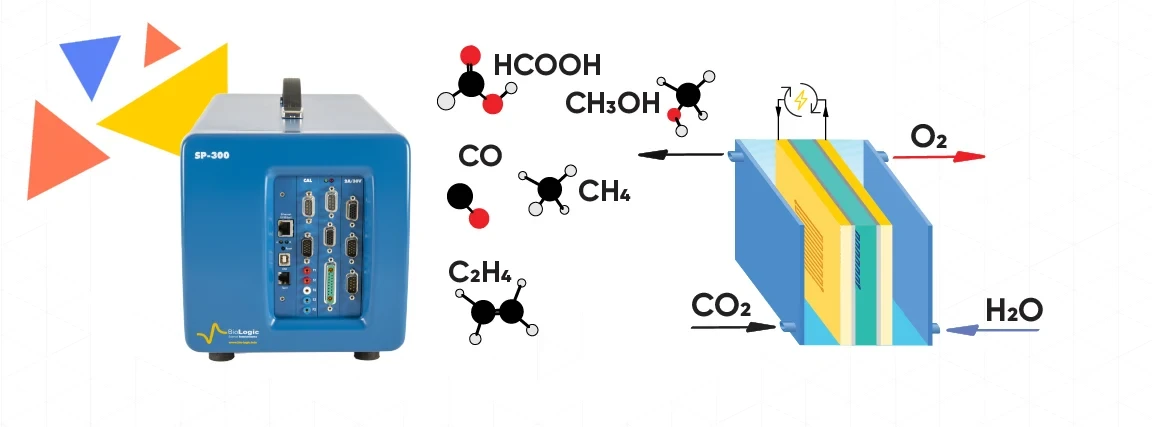
BioLogic CO₂ electrolysis: from conversion to measurement

CO₂ electrolysis: from conversion to measurement

How do the catalyst, cell design and electrochemical analysis fit together?

Explore details →
BIOLOGIC
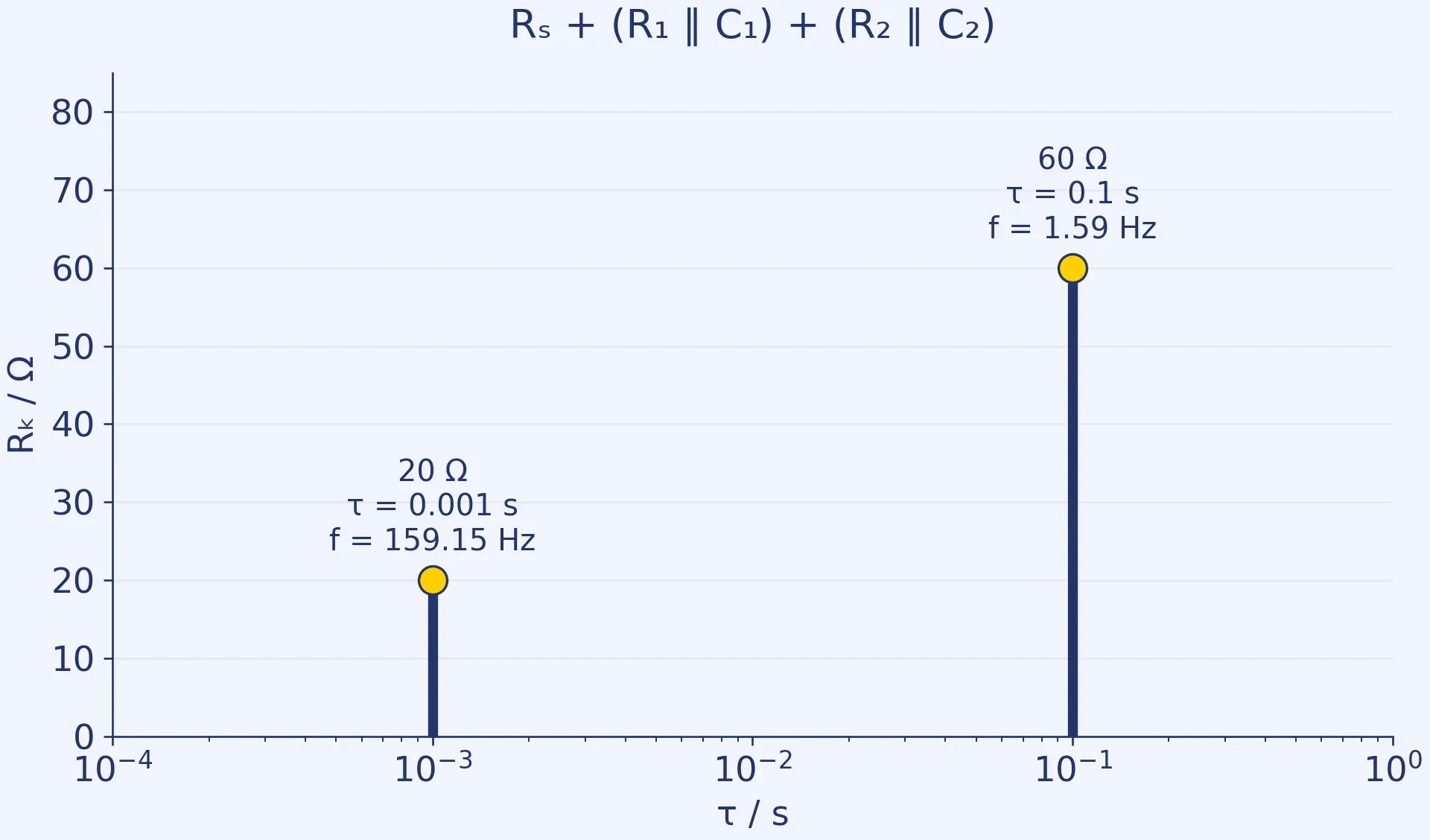
BioLogic DRT in practice: time constants, regularisation and interpretation

DRT in practice: time constants, regularisation and interpretation

What does a DRT peak mean? An original RC example, regularisation effects and a checklist for interpreting impedance data responsibly.

Explore details →
BIOLOGIC
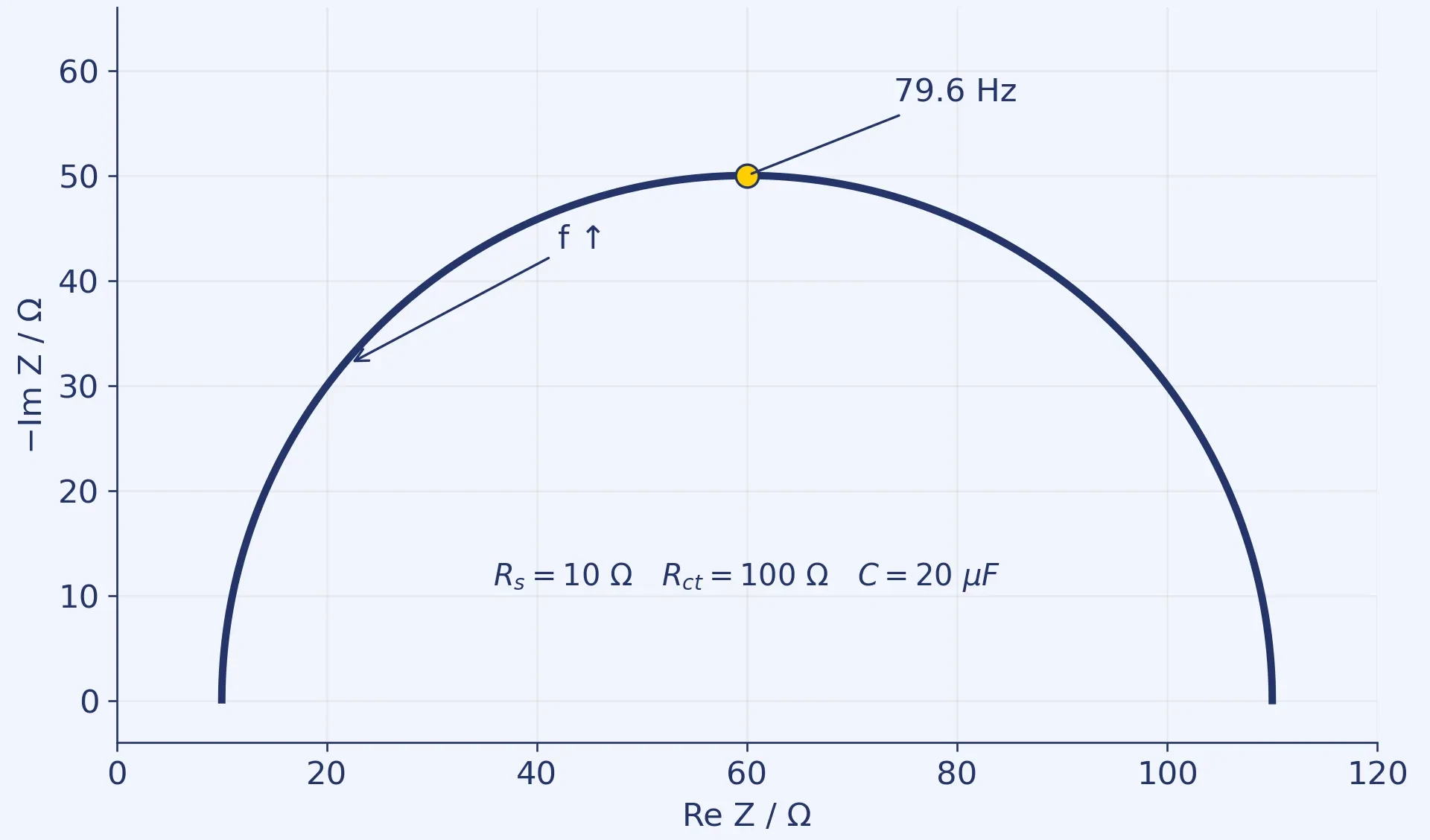
BioLogic EIS in practice: from measurement planning to interpretation

EIS in practice: from measurement planning to interpretation

Nyquist and Bode plots, control mode, data quality and a worked RC example for electrochemical impedance spectroscopy.

Explore details →
BIOLOGIC
BioLogic EIS fitting: from equivalent circuits to interpretable parameters

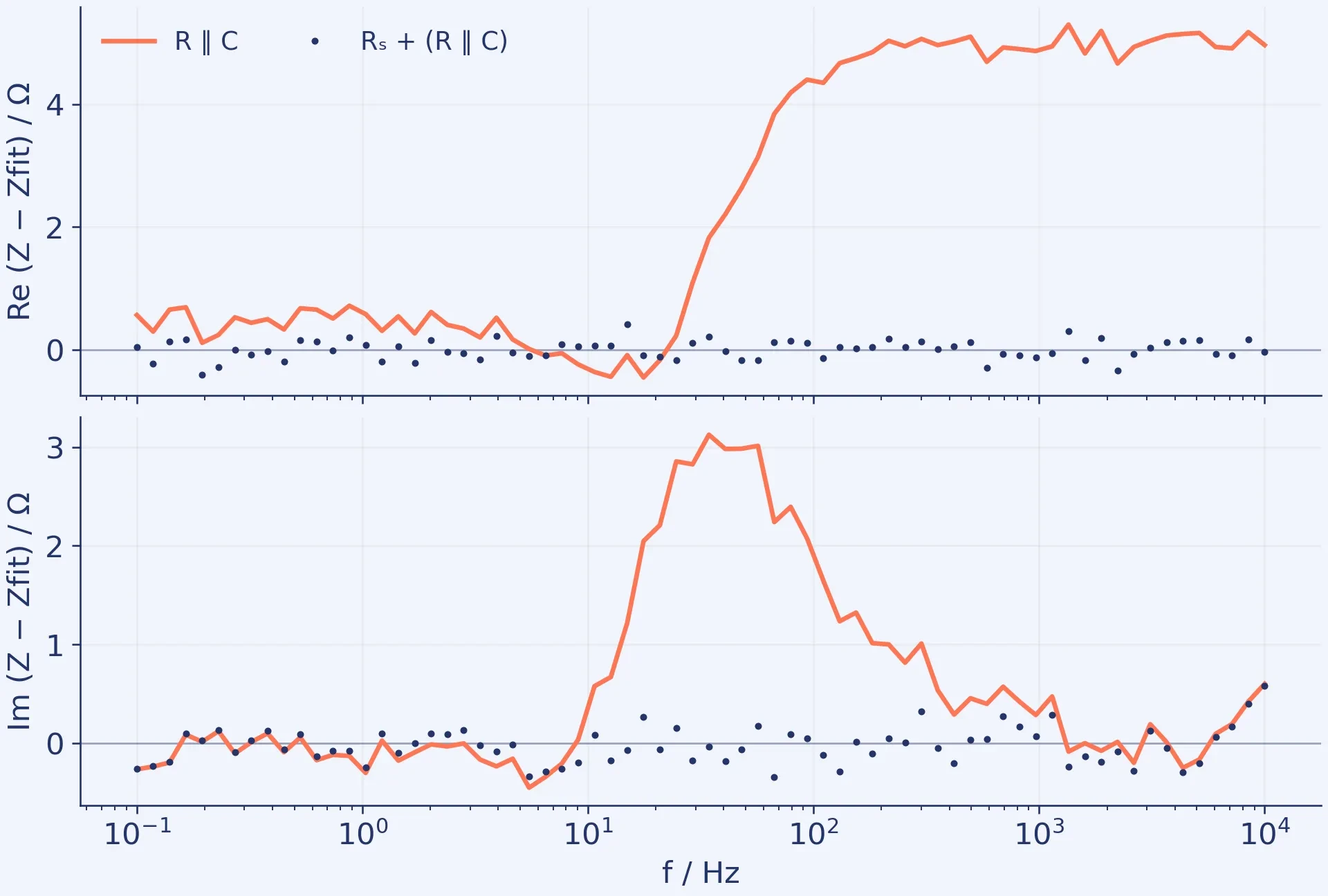
EIS fitting: from equivalent circuits to interpretable parameters

Model selection, residuals, weighting and parameter uncertainty: an original calculated example for fitting impedance spectra.

Explore details →
BIOLOGIC
BioLogic EIS data quality: what do THD, NSD and NSR tell you?

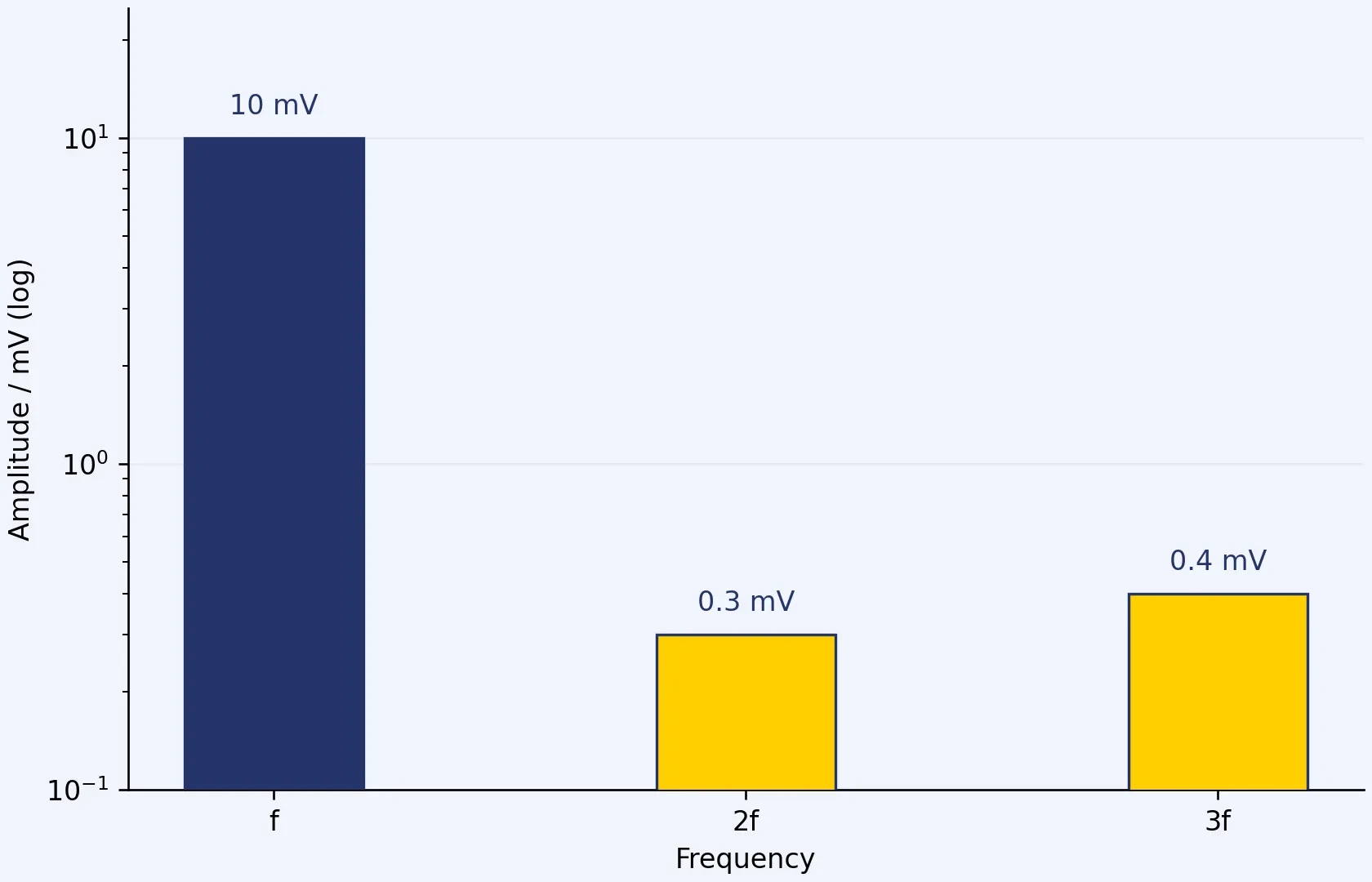
EIS data quality: what do THD, NSD and NSR tell you?

Harmonic distortion, time variation and noise: a worked example and a practical checking sequence for impedance measurements.

Explore details →
BIOLOGIC
BioLogic GITT and PITT: measurement planning and diffusion-analysis limits

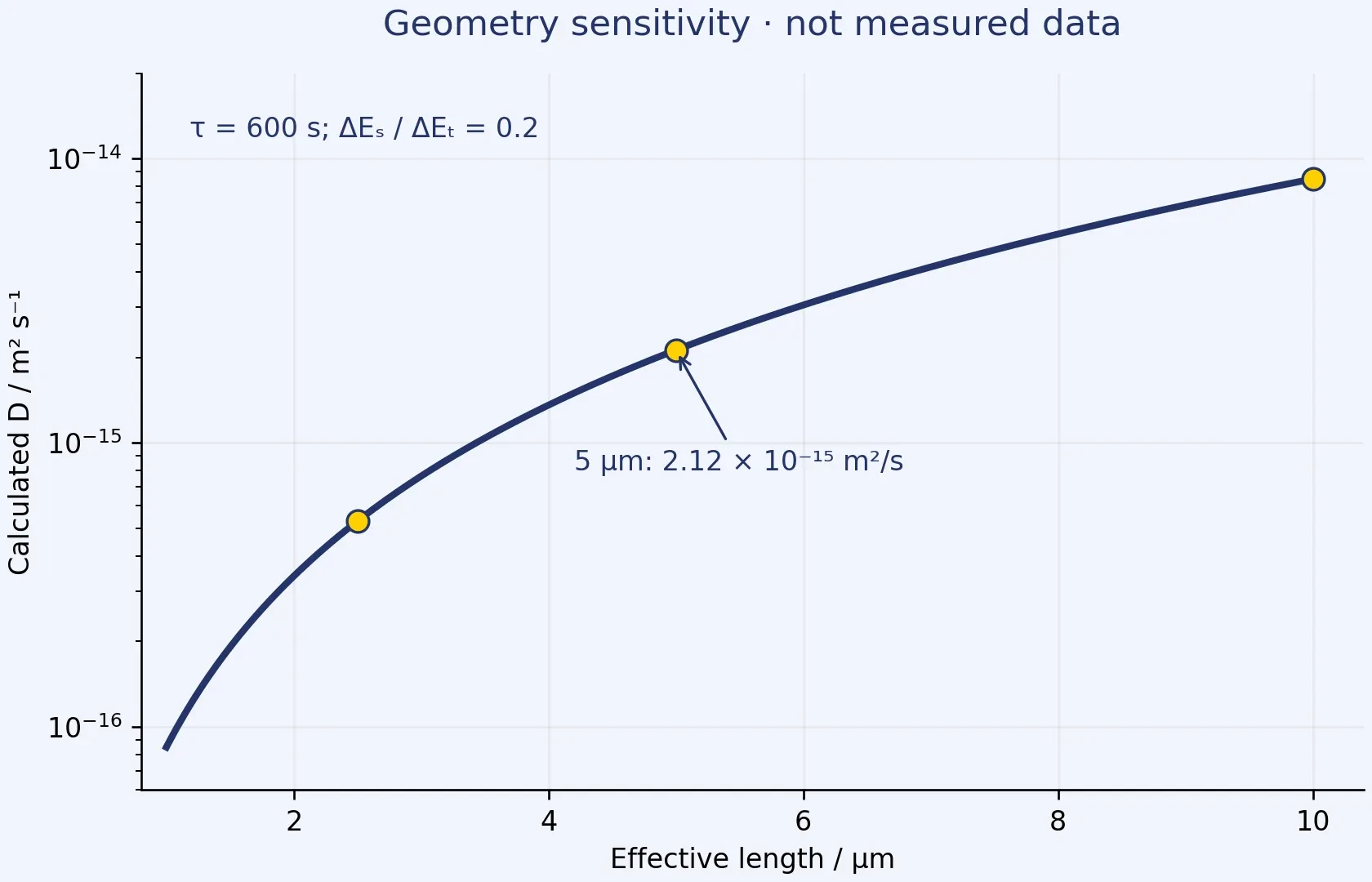
GITT and PITT: measurement planning and diffusion-analysis limits

Current and potential steps, relaxation, geometry uncertainty and a worked calculation for battery-electrode research.

Explore details →
BIOLOGIC
BioLogic Ohmic drop and iR compensation: what are we correcting?

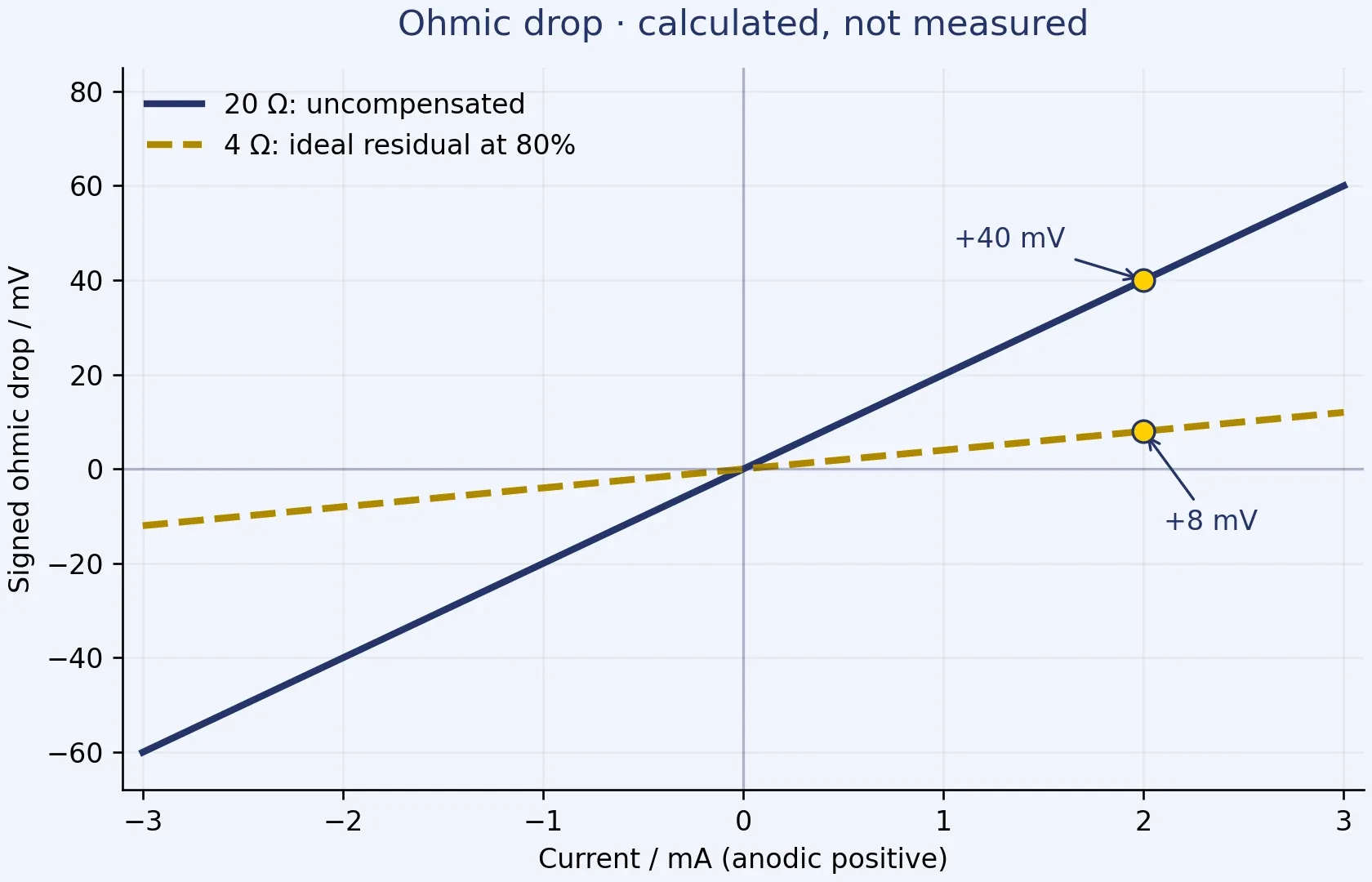
Ohmic drop and iR compensation: what are we correcting?

Estimating resistance, applying the correct sign and checking stability, with an original worked electrochemistry example.

Explore details →
BIOLOGIC
BioLogic How does a potentiostat work?

How does a potentiostat work?

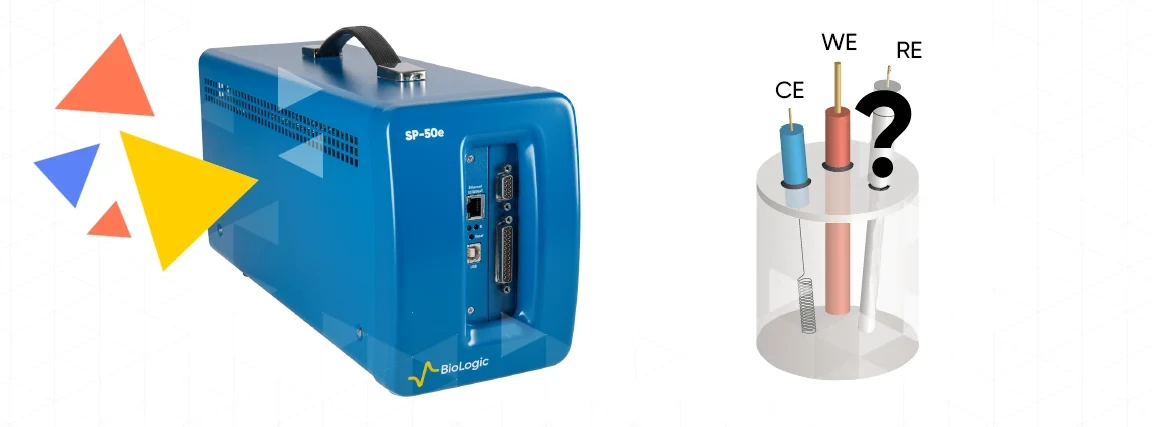
Working, reference and counter electrodes: the basics of electrochemical control.

Explore details →
BIOLOGIC
BioLogic Reference electrodes: the basis of reliable potential measurements

Reference electrodes: the basis of reliable potential measurements

Medium, temperature, contamination and impedance: factors to consider when choosing a reference electrode.

Explore details →

Earlier Hungarian scientific articles are also available in the Hungarian archive →